
Leftovers are a kitchen reality — and when stored the right way they save time, cut waste, and keep your family safe. This guide walks through practical, no-nonsense steps to cool, clean, store, and organize leftovers so food stays fresh longer and reheats well.
Follow these simple routines and tools to reduce spoilage, avoid cross-contamination, and make meal prep easier. The techniques below fit a busy home kitchen and work with everyday storage gear you probably already own.
Why proper leftover storage matters
Improperly stored food can lose quality quickly and increase the risk of foodborne illness. Bacteria grow fastest between 40°F and 140°F (the “danger zone”), so getting food below 40°F promptly, using clean containers, and storing items correctly are key. Beyond safety, good storage preserves texture and flavor so leftovers taste as good the second time around.
Cool hot food quickly and safely
Never put large, steaming pots directly into the fridge. Instead, divide hot dishes into shallow containers to speed cooling — aim to get food from 140°F to 70°F within two hours and down to 40°F within four hours. For baked goods, use a Cooling Racks to let steam escape evenly and avoid sogginess before wrapping or storing.
Choose the right containers
Select airtight containers in a range of sizes so you can match portions to containers — less empty space means slower spoilage. Glass is best for reheating and odor resistance; BPA-free plastic is lighter for short-term fridge use. Look for containers with tight-fitting lids and consider stackable sets to save space. If you use bowls covered with plastic wrap, transfer to proper containers within a day to maintain seal and hygiene.
Clean containers and utensils before use
Storing leftovers in dirty dishes is a fast route to off-flavors and contamination. Wash containers, lids, and utensils thoroughly after each use. Keep handy cleaning supplies near the sink, like a reliable pack of Dish Sponges, for quick rinses and scrubs so containers are ready when you need them.
Dry thoroughly before sealing
Moisture trapped inside containers promotes bacterial growth and soggy leftovers. After washing, air-dry lids and containers or towel-dry them before sealing. Microfiber towels are highly absorbent and lint-free, making them ideal for drying glass and plastic without streaks — consider keeping a set of Microfiber Kitchen Towels for this task. If you prefer air-drying, let items sit on a dedicated drying surface.
Air-drying and storage staging
When you’re reorganizing washed containers or prepping multiple lids, a good dish rack helps keep things sanitary while saving counter space. Use a compact Dish Drying Racks to separate lids, funnels, and containers so everything dries quickly and is ready to use for the next batch of leftovers.
Label, date, and rotate
Labeling leftovers with the date and contents is the simplest way to avoid mystery containers and wasted food. Use masking tape and a permanent marker or reusable labels. Adopt FIFO—first in, first out—so older dishes get eaten first. As a rule of thumb: eat most cooked dishes within 3–4 days; soups and stews can last up to 4 days; frozen items last much longer if wrapped and sealed properly.
Organize for efficiency and safety
Storing containers and wraps in a dedicated spot makes packing leftovers quicker and reduces the chance of cross-contamination. Use an organizer to keep lids, wraps, and small containers in one place; an Under Sink Organizers work well for plastic wrap, foil, and spare lids if your counter space is limited. For cabinet organization, a Pot and Pan Organizers can also be repurposed to store cutting boards, baking sheets, and container lids vertically so they’re easy to grab when packing food.
Freezing leftovers the right way
Not all leftovers freeze equally. Soups, sauces, cooked grains, and many casseroles freeze well; cream-based sauces and some dairy-heavy dishes can separate. Cool completely, then use freezer-grade containers or heavy-duty bags, leaving a bit of headspace for expansion. Label with contents and date; most items are best used within 2–3 months for quality, though properly frozen foods remain safe longer.
Reheating safely
When reheating, bring food to at least 165°F throughout. Use a microwave-safe cover or oven-safe dish to minimize drying. Stir soups and sauces during microwaving to avoid cold spots. Reheat only the portion you’ll eat to avoid repeated temperature cycling. If in doubt, use a food thermometer for accuracy.
Quick storage tools and habits that pay off
Small habits prevent big problems: cool in shallow containers, clean before storing, dry before sealing, and label every container. Replace chippered or warped lids promptly and keep a set of stackable, same-sized containers to simplify storage and reheating.
Checklist: Quick leftover-storage routines
- Cool hot food in shallow containers within 2 hours.
- Wash and dry containers before storing.
- Use airtight, appropriately sized containers.
- Label with contents and date; use FIFO.
- Reheat to 165°F and only reheat once.
- Freeze properly in freezer-grade containers when needed.
FAQ
- How long can I keep cooked chicken in the fridge?
Cooked chicken is generally safe for 3–4 days refrigerated. If you won’t eat it within that window, freeze portions for longer storage.
- Can I store different foods in the same container?
Avoid mixing foods with different shelf lives or strong odors. Store sauces separately from solids to keep textures and flavors intact.
- Is it safe to refreeze thawed leftovers?
Refreeze only if the food was thawed in the fridge and hasn’t been at room temperature for more than two hours. Quality may decline with each freeze-thaw cycle.
- What’s the best way to prevent soggy salads?
Store dressings separately and keep greens slightly dry. Use paper towels inside the container to absorb excess moisture if you expect leftovers to sit for a day.
- How do I manage limited fridge space?
Use stackable containers and slim, shallow storage to maximize space. Portion into single servings so you can pull only what you need.
Storing leftovers safely is mostly about timing, cleanliness, and having the right containers and routines. Cool food fast, use clean, dry, airtight containers, label everything, and organize your supplies so packing and reheating become second nature. A few consistent habits will cut waste, save money, and keep meals tasting fresh.
Products Featured in This Article

LAMU Pots and Pans Organizer for un…
Product description LAMU Heavy-Duty Pots & Pans Organizer – The Ultimate Kitchen Storage Solution Tired of…
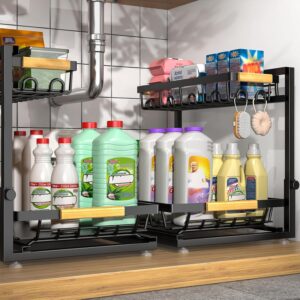
Sevenblue 2 Packs Under Sink Organi…
From the brand Sevenblue is a brand dedicated to household storage. You can use the products…
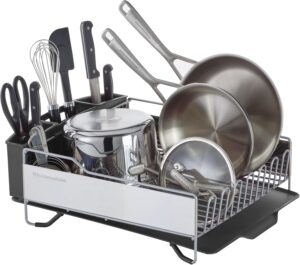
KitchenAid Large Capacity Full Size…
The KitchenAid Full Size Dish Rack offers the perfect solution for quickly air-drying a variety of…
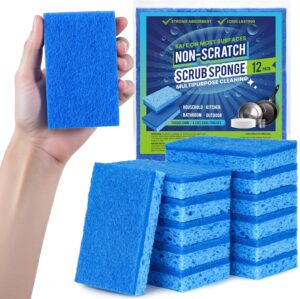
Metflavor Kitchen Sponges, 12 Count…
Product description 1 DEEP CLEAN 2 SCRATCH-FREE 3 DUAL-SIDED 4 EASY TO CLEAN 5 MULTI-PURPOSE Can…
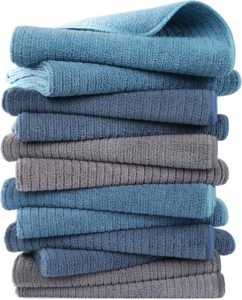
POLYTE Premium Microfiber All-Purpo…
If we may, would you care for some super keen kitchen towels? We created them just…