
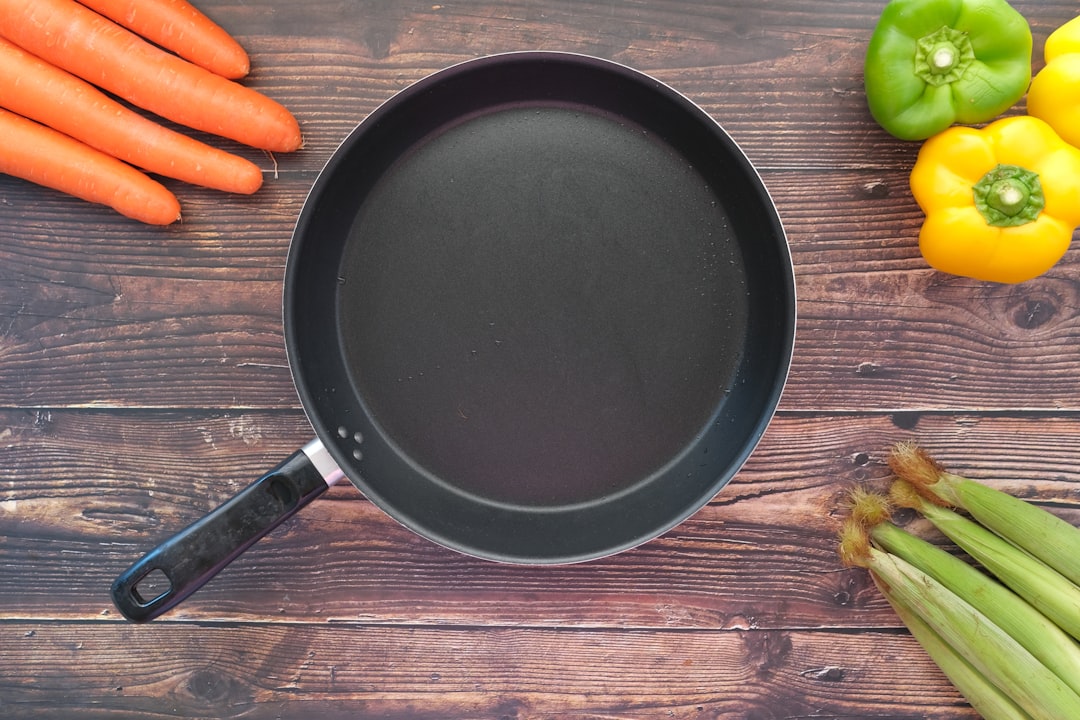
How to Care for Nonstick Pans Properly
Nonstick pans make everyday cooking easier: less oil, easier flipping, and fast cleanup. But their coatings are more delicate than stainless steel or cast iron, so a few simple habits will stretch their life and keep food performing predictably.
This guide walks through the practical steps to protect nonstick surfaces, from cooking to cleaning and storage. Follow these routines and you’ll preserve performance, avoid scratches, and save money on premature replacements.
Understand your nonstick coating
Nonstick surfaces come in different materials—PTFE (Teflon), ceramic, and hybrid coatings. Each behaves differently under heat and abrasion. Read the manufacturer’s instructions for temperature limits and dishwasher guidance. In general, avoid extreme heat, especially on older or cheaply made pans, and never use metal tools on a PTFE surface. Knowing the coating type helps you choose the right care approach and spot signs of wear (flaking, uneven surface, or trapped food).
Use the right utensils
Always cook with wood, silicone, or nylon utensils. These materials won’t scratch the coating, so spatulas, spoons and turners should be soft or tapered. Avoid metal whisks, forks and tongs that contact the cooking surface. If you frequently use an electric mixer or blender attachment in the pan, transfer food to a bowl first—repeated metal contact is the fastest way to damage a nonstick finish.
Control heat: low to moderate is best
Nonstick pans are optimized for low-to-medium heat. High heat can warp pans, weaken adhesives, or degrade coatings over time. Preheat gently: warm the pan on low for a minute or two, then add oil or butter and raise to cooking heat if needed. For searing or high-heat techniques, use stainless steel or cast iron instead—reserve nonstick for eggs, pancakes, and delicate foods.
Cleaning basics: cool down, mild soap, and short soak
Let the pan cool slightly before washing. Rapid temperature changes can warp the base and stress the coating. Wash with warm water and a mild detergent rather than harsh degreasers. Using a dedicated soap dispenser makes regular handwashing convenient and controlled—consider a refillable Dish Soap Dispensers to keep a gentle, effective cleaner on hand.
Gentle scrubbing and recommended tools
For day-to-day cleanup, use soft, non-abrasive pads and sponges. Avoid steel wool and heavy scrubbing powders. A pack of non-scratch pads or Dish Sponges designed for cookware will remove grease without harming the surface. Scrub with the grain of any patterned coating and rinse thoroughly to remove soap residue.
Tackling stuck-on residue without damage
For stubborn bits, soak the pan in warm soapy water for 10–20 minutes to loosen debris. If residue persists, use a nylon brush or a soft-bristle scraper—these tools remove buildup without scratching. A set of durable Kitchen Cleaning Brushes can be a smart addition for targeted scrubbing of rims, edges, and hard-to-reach spots.
Drying and storage to prevent wear
After washing, dry pans completely to prevent water spots and trapped moisture that can degrade handles or joinery. An organized drying setup speeds this step—use a compact Dish Drying Racks that allow airflow and keep pans separated from utensils while they dry. Avoid stacking pans without protection; place a cloth or pan protector between pieces to avoid abrasion.
Stacking, storing, and protecting the cooking surface
If storage space is tight, stack pans carefully with soft liners or felt protectors between them. A dedicated rack or organizer helps keep pans vertical and prevents sliding that causes scratches. Consider a pot and pan organizer or similar solution to keep cookware separated and accessible.
Finishing touches: drying cloths and periodic inspections
Use lint-free towels or microfiber cloths to finish-dry pans and buff handles. Microfiber is absorbent, gentle, and won’t leave fibers on the coating—a pack of Microfiber Kitchen Towels is useful for this purpose. Regularly inspect pans for signs of coating failure—peeling, chipping, or uneven wear—and retire any pan that compromises safety or performance.
When to replace your nonstick pan
Replace a nonstick pan if the coating is flaking, scratched deeply, or food begins to stick persistently despite proper care. Small surface scratches can sometimes be tolerated, but visible delamination or large patches of missing coating mean it’s time for a new pan. Replacing a worn pan promptly avoids uneven cooking and potential ingestion of degraded coating particles.
Checklist: Quick Care Steps
- Use low-to-medium heat; avoid empty high-heat preheating.
- Cook with wood, silicone, or nylon utensils only.
- Cool slightly, then wash with warm water and mild soap.
- Use non-scratch sponges or soft brushes for cleaning.
- Soak to loosen stuck food; don’t scrape aggressively.
- Dry fully and store with protection between pans.
- Inspect regularly; replace pans with major coating damage.
Conclusion: Practical takeaway
Caring for nonstick pans is mostly about gentle handling: correct heat, soft utensils, mild cleaning, and careful storage. Small daily habits—like using a proper sponge, drying thoroughly, and avoiding metal tools—add up to years of consistent performance and fewer replacements.
FAQ
-
Can I use my nonstick pan in the dishwasher?
Check the manufacturer’s label. Many modern nonstick pans are dishwasher-safe, but handwashing with mild soap is gentler and extends coating life.
-
Is it OK to use cooking sprays on nonstick pans?
Cooking sprays can leave sticky residue that’s hard to remove and can degrade the finish over time. Use a small amount of oil or butter instead.
-
How do I remove stubborn brown stains?
Soak in warm soapy water, then gently scrub with a non-abrasive sponge. For persistent discoloration, create a paste of baking soda and water, apply gently, and rinse—avoid vigorous scrubbing.
-
Are ceramic nonstick pans safer than PTFE?
Ceramic coatings are marketed as PTFE-free and can handle slightly higher heats, but they tend to be less durable. Both need gentle use; choose based on your cooking style and follow care instructions.
-
How do I protect pans when stacking?
Use felt or cloth liners between pans or store vertically in a rack to prevent sliding scratches. A pot and pan organizer helps maintain separation and easy access.
-
What tools should I keep by the sink for safe cleaning?
Keep a soft sponge, a nylon brush for corners, a mild dish soap in a convenient dispenser, and microfiber towels for final drying to minimize risk to the coating.
Products Featured in This Article

LAMU Pots and Pans Organizer for un…
Product description LAMU Heavy-Duty Pots & Pans Organizer – The Ultimate Kitchen Storage Solution Tired of…