
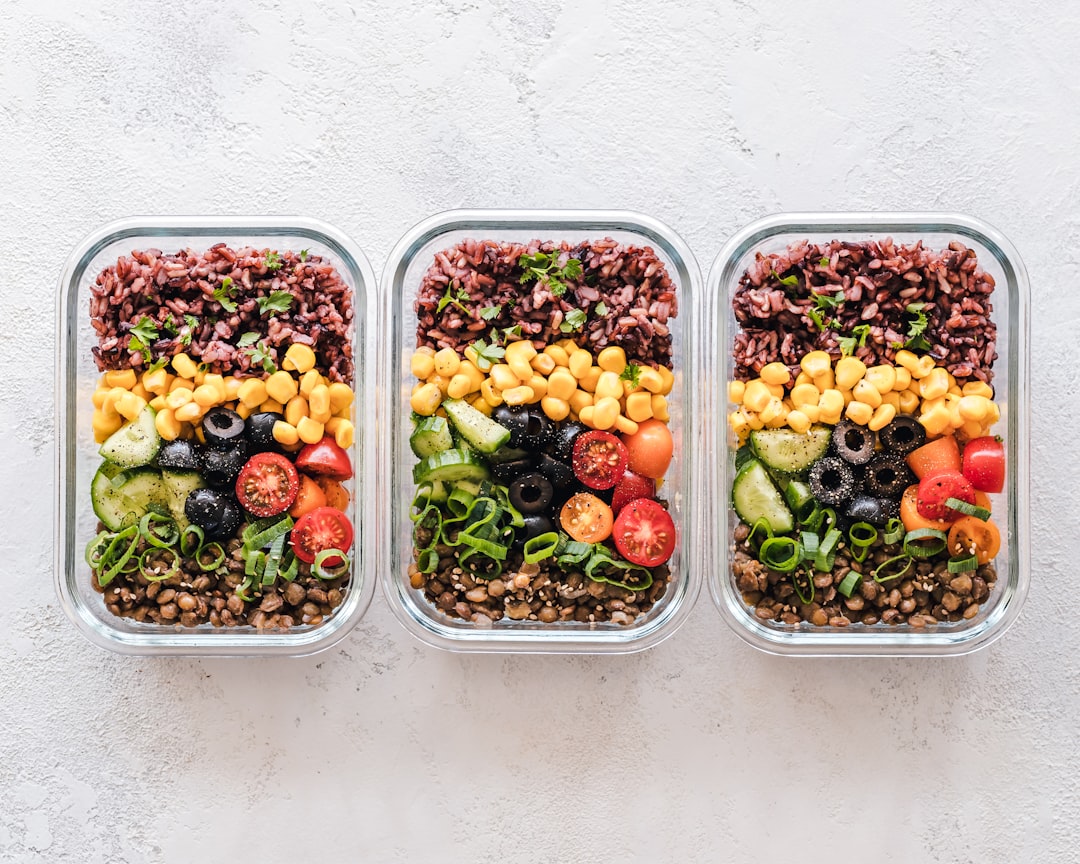
How to Create a Simple Weekly Meal Prep Routine
Meal prepping doesn’t have to be complicated to be effective. A simple, repeatable routine saves time, reduces stress during the week, and helps you eat better without daily planning. The goal is consistency—small habits that stack into a reliable system you can sustain.
This guide gives a step-by-step routine you can start this week, plus practical organization tips and the gear that makes prep faster. Read once, pick two changes to try, and adjust until the routine fits your schedule.
Start with a realistic goal
Decide what you want from meal prep: fewer dinners eaten out, faster lunches, or a predictable breakfast. Pick one measurable target (e.g., pack five lunches and three dinners per week) rather than attempting a full overhaul. This keeps the plan achievable and encourages follow-through.
Plan a simple repeatable menu
Create a short rotation of meals that share ingredients. Choose 2–3 breakfasts, 2–3 lunches, and 2–3 dinners that use overlapping components (grains, proteins, roasted vegetables, sauces). That reduces shopping complexity and makes batch cooking efficient.
Keep staples visible and accessible so you actually use them—group spices and seasonings together, and keep frequently used items at eye level. A well-organized spice setup prevents last-minute substitutions and saves time while cooking: Spice Racks.
Shop with a purpose
Build a shopping list around the menu and only purchase what fits the week’s plan. Buy versatile proteins (chicken, tofu, beans), long-lasting vegetables (carrots, cabbage, onions), and quick staples (rice, pasta, canned tomatoes). Organize your list by store layout to reduce time wandering aisles.
Batch cook core ingredients
Reserve 1–2 hours on a consistent day—Sunday or mid-week—to cook the building blocks: a grain, one protein, roasted vegetables, and a simple sauce. These components can be mixed into bowls, salads, wraps, or reheated dinners.
Use cooling and staging tools to speed turnaround. When roasting or baking multiple trays, speed things up by transferring baked goods and roasted vegetables to racks so they cool efficiently and stay crisp: Cooling Racks.
Use the right gear and keep it simple
Your routine should leverage a few reliable tools rather than a long list of gadgets. Good cookware, a set of food-safe storage containers, and a sharp knife cover most needs. Keep pans and lids organized so you can grab what you need immediately: Pot and Pan Organizers help prevent time wasted searching and reduce fragile stacking in cabinets.
Smart storage and labeling
Store meals in clear, stackable containers and label with date and contents. Dedicate one shelf in the fridge for prepped meals so nothing gets lost behind condiments. When washing and returning dishes, use a reliable drying area to keep containers sanitary and ready for packing: Dish Drying Racks.
Set a quick cleaning routine
A 10–15 minute tidy after meal prep keeps the kitchen usable and lowers friction for next week. Wipe counters, stack used trays, and hand-wash or load the dishwasher right after you finish. Keep a small supply of cleaning cloths on hand for fast cleanups: Microfiber Kitchen Towels are highly absorbent and reusable for counters, spills, and stove splatters.
Organize cleaning and waste areas
Put cleaning supplies and trash systems in predictable places so tidying is not a hurdle. A compact under-sink organizer or shelf keeps sponges, brushes, and cleaners accessible without cluttering counter space. Storing these items where you use them reduces resistance to cleanup: Under Sink Organizers.
Maintain momentum with a weekly reset
Each week, do a brief reset: inventory what’s left, note what you didn’t eat, and adjust the upcoming menu. That prevents food waste and refines portions. Over time you’ll calibrate quantities and choose recipes that match your appetite and schedule.
Checklist: Quick meal-prep routine
- Pick one measurable weekly goal (e.g., 5 lunches).
- Create a 2–3 meal rotation that shares ingredients.
- Shop with a store-layout list and only buy what you need.
- Batch cook grains, protein, and veggies in one session.
- Cool and stage hot items on racks before storing.
- Label containers with date and contents.
- Do a 10–15 minute clean and put tools away.
- Perform a weekly reset to adjust portions and menu.
FAQ
How many hours should I set aside for meal prep?
Start with 1–2 hours. That typically covers cooking a grain, roasting vegetables, and preparing one protein. As you repeat the routine you’ll get faster.
What containers work best for weekly prep?
Choose stackable, airtight containers in sizes that match your portions. Clear containers make it easy to see contents at a glance; glass holds up well to reheating.
How long will prepped food stay fresh?
Most cooked foods keep 3–5 days in the fridge. Freeze portions you won’t eat within that window. Label with dates to prevent guesswork.
How do I keep meals from tasting the same every day?
Rotate sauces, dressings, and toppings. The same roasted vegetables and protein can feel different with pesto one day, tahini another, and a vinaigrette the next.
What if I don’t have time to cook on my chosen prep day?
Have a backup plan: a shorter session to cook one or two staples (rice and one protein) or use leftovers in quick assemblies. Even partial prep reduces weekday friction.
Conclusion
Start small: pick a realistic goal, choose a short rotation of meals, and commit to one weekly cooking block. Use simple organization and a handful of reliable tools to reduce prep time and friction. With 1–2 hours a week and a brief reset, you’ll gain consistent, stress-free meals that fit your life.