
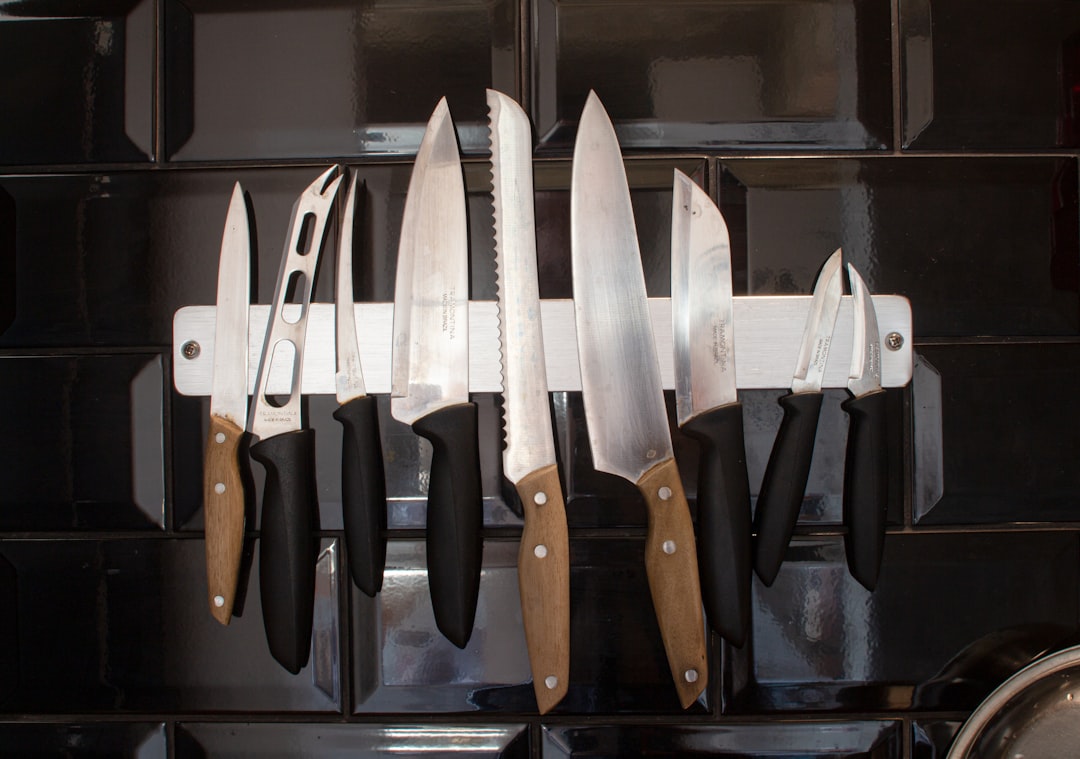
Choosing the right knife for everyday use is one of the simplest upgrades you can make to your kitchen routine. The correct blade will speed prep, improve safety, and make cooking more enjoyable. This guide breaks down the practical factors to weigh so you end up with a knife you’ll reach for every day.
We’ll cover types, size, materials, handling, storage, care, and buying tips—plus a short checklist and an FAQ to answer common questions. Read through the sections that match your needs and use the checklist at the end to make your final choice.
Why the “everyday” knife matters
An everyday knife should be versatile: comfortable for long prep sessions, sharp enough to slice efficiently, and durable for routine use. Many home cooks do best with a single multi-purpose blade rather than a drawer full of specialized knives.
Which knife type is best for daily use?
Focus on three practical shapes:
- Chef’s knife (8″ chef’s knife is standard) — the go-to for chopping, slicing, dicing, and mincing.
- Utility knife (5–6″) — handy for small fruits, sandwiches, and tasks where an 8″ feels clumsy.
- Paring knife (3–4″) — for peeling, trimming, and precision work.
If you want one blade only, a good 8″ chef’s knife covers most tasks. If you prefer a two-knife approach, pair an 8″ chef’s with a 4″ paring knife.
Blade material and edge: what to prioritize
Blade steel affects sharpness, durability, and ease of maintenance:
- Stainless steels (e.g., 440-series, VG10): resist staining and need less careful maintenance.
- High-carbon steels: take and hold a very fine edge but can rust if neglected.
- Powder metallurgy and modern alloy steels: combine corrosion resistance with long edge life but cost more.
Edge angle matters too—narrow angles (15° per side) cut faster but can be more fragile; wider angles (20°+) are tougher. For most home cooks a stainless-steel blade edged to a moderate angle offers the best balance of performance and low maintenance.
Handle comfort, weight and balance
A comfortable handle is non-negotiable for daily use. Test for:
- Grip shape that fits your hand: round, oval, or contoured—choose what feels secure.
- Balance: a knife should feel balanced where the handle meets the blade, not blade-heavy or handle-heavy.
- Material: wood looks nice but requires care; composites and stabilized wood give a good feel with less upkeep; polymer/rubber handles offer a non-slip grip.
If possible, hold the knife before buying. Your hand size, gripping style, and the amount of time you’ll use it all influence the best choice.
Blade length: match it to your kitchen and technique
Consider your counter space, cutting board size, and the types of food you prep daily:
- 6–7″ blades are nimble for smaller kitchens or light prep.
- 8″ blades are the most versatile and suit most cooks.
- 10″ and larger blades are better for large chops or professional-style kitchens but can be cumbersome for everyday home tasks.
A shorter board and a small sink favor a 6–8″ blade. If you often work with large vegetables or whole fish, step up to 9–10″.
How to store and protect your knife
Proper storage preserves the edge and prevents accidents. Drawer storage needs structure—an unorganized drawer will dull edges and create risk. Consider a tailored solution like Kitchen Drawer Organizers to keep blades separated and accessible.
For a dedicated drawer solution, a cutlery tray that holds knives flat keeps edges protected; one good option is the Pipishell Bamboo Expandable Silverware Drawer Organizer, which fits many drawer sizes and provides compartments for knives so they don’t bang against other utensils.
Other safe choices: magnetic strips mounted on the wall (blade tips up), or a wooden block if it’s kept clean and dry. Avoid loose utensil piles or tossing knives into a sink or crowded drawer.
Cleaning and drying: keep the edge and finish intact
Hand washing is the best practice for most quality knives. Use a soft sponge and gentle dish soap, rinse, and dry immediately to avoid spotting and corrosion. Soft non-abrasive sponges are ideal—consider a reliable option like Metflavor Kitchen Sponges, 12 Count for routine washing.
After rinsing, dry blades right away with a lint-free cloth. Microfiber towels are absorbent and gentle on steel; a practical choice is this collection of Microfiber Kitchen Towels.
Small tools that help knife care
Gentle scrubbing tools can remove stuck food without damaging the edge or handle. Soft-bristled brushes help clean hard-to-reach spots near the bolster and rivets—browse general options under Kitchen Cleaning Brushes. Avoid wire brushes or abrasive pads on the blade itself.
For sharpening, use a whetstone or a quality guided sharpener and a honing rod for daily alignment. Regular honing keeps the edge true between sharpenings.
Buying tips and realistic budgets
Set a realistic budget: a reliable everyday chef’s knife can be found in the mid-price range—expensive blades offer incremental benefits but aren’t necessary for great daily performance. Prioritize blade steel and handle comfort over brand prestige.
Where to buy: inspect knives in-person if possible. If buying online, check return policies and look for retailers that allow easy returns if the handle or balance doesn’t suit you.
Checklist: Choosing your everyday knife
- Choose blade type: 8″ chef’s for one-knife approach; add a paring or utility if needed.
- Prefer stainless or stainless-hybrid steel for low maintenance.
- Hold the knife: comfort and balance beat looks.
- Select an edge angle suitable for your cutting style (home cooks: moderate angle).
- Plan storage: drawer tray, block, or magnetic strip—keep blades separate.
- Commit to hand-washing and immediate drying (soft sponge + microfiber towel).
- Hone regularly; sharpen with stone or quality sharpener as needed.
FAQ
Q: Do I need a full knife set for everyday cooking?
A: No. Most home cooks do fine with a good 8″ chef’s knife plus a paring or utility knife. Sets can be convenient but often include pieces you’ll rarely use.
Q: Is it OK to put knives in the dishwasher?
A: Avoid it. Dishwashers can dull edges, damage handles, and promote corrosion. Hand-wash and dry immediately.
Q: How often should I sharpen my knife?
A: It depends on use. Hone lightly every few uses; sharpen with a stone or guided system when honing no longer restores the cutting performance—typically every few months for regular home use.
Q: What’s the best way to store knives if I don’t want a block on the counter?
A: Drawer organizers or a wall-mounted magnetic strip are great space-saving alternatives. Use a tray that separates blades to protect edges and fingers.
Q: Can inexpensive knives be a good everyday choice?
A: Yes—many budget knives offer good steel and ergonomics. Focus on fit and edge retention rather than price alone; a moderately priced knife you enjoy using is better than an expensive one you avoid.
Conclusion
Choose a comfortable, well-balanced 6–8″ chef’s knife (add a paring knife if you like). Prioritize a steel that fits your maintenance comfort level, store blades safely in a tray or on a magnetic strip, hand-wash with a soft sponge and dry with a microfiber towel, and hone regularly. With those basics you’ll have an everyday knife that’s safe, sharp, and a joy to use.
For smart storage and cleaning solutions that support knife care, consider integrated drawer organizers, soft sponges, and microfiber towels to keep your tools protected and ready.
Also think about kitchen layout—if cabinet space is tight you may benefit from tailored organizers like pot-and-pan racks to free drawer space for a dedicated knife organizer: Pot and Pan Organizers.
Products Featured in This Article

Pipishell Bamboo Expandable Silverw…
From the brand Get Organized & Compact Storage Multipurpose Use Sturdy & Durable Construction Silverware Organizer…
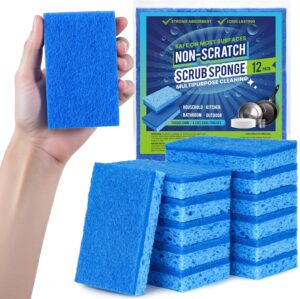
Metflavor Kitchen Sponges, 12 Count…
Product description 1 DEEP CLEAN 2 SCRATCH-FREE 3 DUAL-SIDED 4 EASY TO CLEAN 5 MULTI-PURPOSE Can…