
How to Build a Budget-Friendly Kitchen Starter Kit
Starting a kitchen from scratch doesn’t have to mean spending a lot or buying everything at once. With a focused list of multipurpose items and smart organization, you can cook, clean, and host with confidence without breaking the bank.
This guide lays out practical priorities, compact shopping choices, and low-cost organization hacks so you get the most value from each purchase. Follow the steps below to assemble a starter kit that covers everyday needs and grows with you.
Set practical priorities: what to buy first
Before shopping, rank items by how often you’ll use them: cooking tools (pots, pans, spatula), utensils for eating and serving, basic bakeware if you bake, and cleaning supplies. Buy versatile pieces first—a good nonstick skillet can handle sautés, eggs, and simple sauces, while one set of dishes and cutlery covers daily meals.
Cookware essentials: pick versatile pieces
For a budget starter kit, invest in two pans: a 10–12″ frying pan and a medium saucepan (2–3 quarts). These handle most stovetop recipes. Choose an induction-compatible or heavy-base option for even heat and long-term durability. If you’re replacing rather than expanding, a high-quality single pan can do a lot of work until you upgrade.
One recommended, budget-friendly choice is the SENSARTE Nonstick Ceramic Frying Pan, which is a versatile, easy-clean option for eggs, pancakes, and stir-fries—making it a strong single-pan pick for a starter kitchen.
Bakeware basics and small appliances
If you bake occasionally, a half-sheet pan and a cooling rack are high-impact, low-cost tools. A silicone baking mat eliminates the need for disposable parchment and makes small-batch baking and roasting easier. For roasting or air-drying, a sturdy wire cooling rack keeps food crisp and helps with even airflow.
For a compact, budget-conscious setup, add a reliable rack like the Tebery 2 Pack Black Heavy Duty Wire Cooking Rack. Two racks let you cool multiple items, elevate meats for roasting, or dry herbs—multipurpose value that belongs in a starter kit.
Breakfast and beverage essentials
Coffee and simple breakfast tools can add a lot of daily value without much cost. A basic drip coffee maker, a French press, or a budget espresso machine makes mornings easier. Choose one device that fits your routine: drip for large pots, French press for concentrated flavor, or an espresso maker if you enjoy espresso-based drinks.
If your mornings call for classic convenience, the Mr. Coffee 14 Cup Programmable Coffee Maker is a practical choice—programmable, straightforward, and capable of serving multiple people or producing several pots across the week.
Cleaning essentials that save time and money
Cleaning supplies don’t need to be costly. Stock a few durable items: non-scratch sponges, a good scrub brush, a microfiber towel, and a basic dish soap dispenser. These items reduce waste and make everyday cleanup faster; buy fewer, higher-quality pieces rather than many cheap ones.
Non-scratch sponges are inexpensive and indispensable—perfect for pans and routine dishwashing. A practical option to keep on hand is the Metflavor Kitchen Sponges, 12 Count, which provide replacements at a low per-item cost so you can swap them frequently and keep sinks hygienic.
Organize to maximize space and usability
Organization multiplies the value of what you own. Use drawer dividers for utensils, a pot and pan organizer to prevent scratches and save space, and a couple of stackable shelves for your pantry. Even modest apartments benefit from under-sink storage and small cabinet shelves to create order.
Under-sink space often becomes a catch-all. A compact organizer like the Sevenblue 2 Packs Under Sink Organizer helps separate cleaning supplies, sponges, and extra dish soap so you can grab what you need quickly and avoid spills or clutter.
Drying and daily-use extras
How you dry and store dishes matters. A solid dish rack cuts drying time, keeps counters dry, and makes washing less of a chore. Choose a compact or expandable dish rack that fits your sink area; look for built-in utensil holders and an angled drain board to direct water back into the sink.
The KitchenAid Large Capacity Full Size Dish Rack is a durable choice for a starter kitchen: roomy enough for plates and pans, with a caddy for cutlery and an angled drain board to keep counters dry—useful for apartment kitchens where counter space is limited.
How to buy smart: shopping tips for tight budgets
Buy in phases: start with the essentials, then add items that fill specific gaps. Look for multipurpose products, and check for warranties or return policies. Consider thrift stores or local buy/sell groups for cookware and small appliances if you’re comfortable cleaning and testing them first.
Avoid single-use gadgets. Prioritize items that perform multiple tasks (a good pan, a reliable dish rack, stackable storage). When in doubt, pick the item that lets you prepare more types of meals rather than specialty tools for niche recipes.
- Must-have essentials: 1 frying pan, 1 saucepan, basic utensils, plates/cutlery, dish rack, 2 sponges.
- High-value upgrades: oven mitts, silicone baking mat, measuring set, large mixing bowl.
- Organization quick wins: under-sink organizer, drawer divider, pot-and-pan organizer.
- Budget replacement cadence: replace sponges monthly and inspect nonstick pans annually for wear.
Checklist: Budget-Friendly Starter Kit (compact)
- 1 versatile frying pan (10–12″)
- 1 medium saucepan with lid
- 1 baking sheet + cooling rack
- Plates, bowls, flatware (service for 2–4)
- Dish rack and 2–4 sponges
- Basic utensils: spatula, wooden spoon, tongs, measuring cups
- Under-sink organizer or small cabinet shelf
- Trash can and basic cleaning brush/towel
FAQ
Q: What should I buy first if I can only pick three items?
A: Buy a versatile frying pan, a saucepan with a lid, and a dish rack (for drying and organizing). Those cover most cooking, boiling, and cleanup needs.
Q: Are cheap pans worth it for a starter kitchen?
A: Low-cost pans can be fine short-term, but prioritize even heat and a safe nonstick surface. If your budget allows, buy one higher-quality pan that will last longer.
Q: How can I save space with limited cabinet room?
A: Use vertical organizers, stackable shelves, and an adjustable under-sink organizer. Store lids vertically and group like items together to reduce wasted space.
Q: How often should I replace sponges and towels?
A: Replace sponges every 2–4 weeks depending on use. Microfiber towels can last longer if washed regularly—aim to launder them weekly if used daily.
Q: Is it worth buying a coffee maker for a starter kit?
A: If you drink coffee daily, a simple programmable drip machine is a cost-effective convenience that saves time and money compared to buying coffee out.
Conclusion: practical takeaway
Build your starter kit in prioritized stages: buy versatile cookware and a reliable dish-drying setup first, add cleaning essentials, then organize to save space. Focus on multipurpose tools and slow upgrades—this approach keeps costs low while giving you a functional, efficient kitchen from day one.
Products Featured in This Article

Tebery 2 Pack Black Heavy Duty Wire…
From the brand Tebery New Home and Life Create a Better Home and Life. Better Choice…
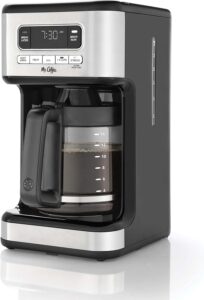
Mr. Coffee 14 Cup Programmable Coff…
Do you drink coffee all day every day? Love to brew for a crowd? The Mr….
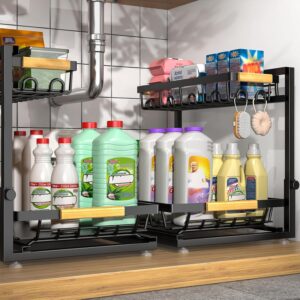
Sevenblue 2 Packs Under Sink Organi…
From the brand Sevenblue is a brand dedicated to household storage. You can use the products…
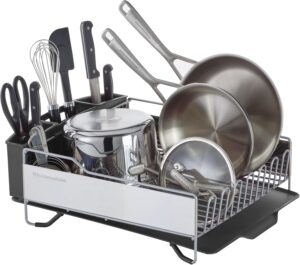
KitchenAid Large Capacity Full Size…
The KitchenAid Full Size Dish Rack offers the perfect solution for quickly air-drying a variety of…
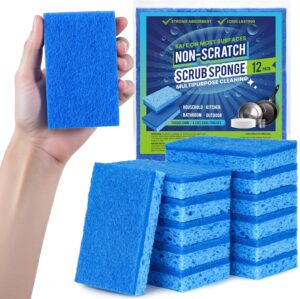
Metflavor Kitchen Sponges, 12 Count…
Product description 1 DEEP CLEAN 2 SCRATCH-FREE 3 DUAL-SIDED 4 EASY TO CLEAN 5 MULTI-PURPOSE Can…

SENSARTE Nonstick Ceramic Frying Pa…
Product description 1 Tempered Glass Lid 2 Super Nonstick 3 Easy Cleaning 4 Heat Up Quickly…