
Baking Essentials Every Beginner Should Know About
Starting to bake can be exciting and a little overwhelming. The right tools, basic techniques, and good organization make the difference between stress and success.
This guide breaks down the essentials — equipment, ingredients, timing, cleanup, and simple habits that set new bakers up to learn quickly and enjoy the process.
Essential tools to buy first
Invest in a small, reliable tool kit rather than a long wish list. At minimum get measuring cups and spoons, a set of mixing bowls (metal or glass), a silicone spatula, a flat spatula, a whisk, and a pair of oven mitts. For storing and finding those items easily, a good organizer helps kitchen flow; consider a dedicated Kitchen Drawer Organizers so utensils stay visible and ready.
Bakeware and pans: what matters
Quality bakeware gives reliable results. Choose a half-dozen pieces that cover most recipes: a rimmed baking sheet (cookie sheet), a 9×13-inch pan, an 8- or 9-inch round cake pan, a loaf pan, and a muffin tin. Nonstick and stainless steel are both fine when you know how they behave — stainless transfers heat evenly and is durable. If you want a versatile starter set that handles cakes, brownies, and more, look for well-reviewed cookware like the Cuisinart 12-Piece MultiClad Pro (use pieces suitable for oven use).
Measuring and ingredients: accuracy first
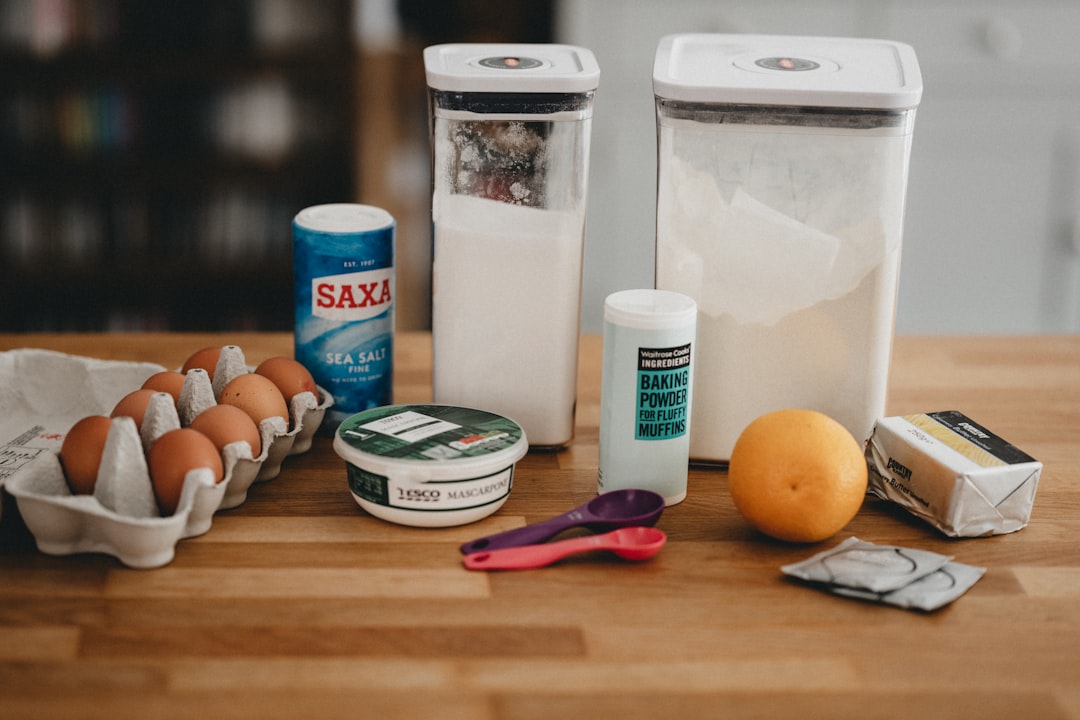
Baking is chemistry. Measuring by weight is the most accurate approach; if you use cups, learn proper techniques (spoon flour into the cup and level it, don’t scoop). Keep basic pantry staples on hand: all-purpose flour, granulated sugar, brown sugar, baking powder, baking soda, salt, vanilla extract, eggs, butter (or a reliable oil), and a neutral milk or milk substitute.
Store small items and spices so you can find them without interrupting a recipe. A compact spice organizer makes working through recipes faster — try a simple setup like the Spice Rack Kitchen Cabinet Organizer to keep common extracts and spices accessible.
Mixing methods: know the basics
Understand three core mixing methods: creaming (butter and sugar until light and fluffy), folding (gently combining delicate batters), and whisking (incorporating air into eggs or cream). Use a handheld mixer or stand mixer for convenience, but a sturdy whisk and elbow grease work fine for many recipes. Avoid overmixing batters that rely on tender crumb (like muffins and cakes); mix just until ingredients are combined.
Oven temperature, placement, and timing
Oven behavior varies. Use an oven thermometer to confirm the actual temperature. Bake on the center rack unless a recipe specifies otherwise. For even browning, rotate pans halfway through the bake time if your oven has hot spots. Keep a small notebook or digital note with the exact bake times and temperatures you use — small adjustments matter.
Cooling, storing, and organizing bakeware
Cooling properly preserves texture and prevents soggy bottoms. Cool cookies on a wire rack and allow cakes to cool in their pans briefly (10–15 minutes) before transferring to a rack. For storing pans, lids, and sheet trays efficiently, a vertical organizer saves space and protects finishes; consider a practical solution like the LAMU Pots and Pans Organizer to keep bakeware accessible and scratch-free.
Cleaning and maintenance that save time
Quick cleanup makes baking feel easier overall. Immediately soak pans with stubborn bits, and keep a small set of cleaning supplies near the sink. Replace sponges regularly to avoid odors; a multi-pack of reliable Dish Sponges is a simple, inexpensive habit that prevents buildup. After washing, let items dry thoroughly on a good drying rack — tidy counter drying avoids mildew and keeps your station ready for the next bake. A compact Dish Drying Racks category offers options that fit small counters and streamline drying.
Troubleshooting common beginner mistakes
Learn a few quick fixes: if a cake sinks in the center, you likely underbaked or opened the oven too soon; check doneness with a toothpick. Dense muffins often mean overmixing or too much liquid; fold wet and dry until just combined. If cookies spread too much, chill the dough briefly or add a touch more flour. Keep notes — every oven and ingredient brand is slightly different, and a short recipe log helps you replicate wins and correct issues quickly.
Practical safety and efficiency habits
Always preheat fully, keep flammable items away from hot elements, and use oven mitts rather than towels. Organize your workspace before beginning (mise en place) — measure ingredients, line pans, and preheat the oven so the workflow is uninterrupted. This reduces mistakes and improves results.
Starter shopping list (short checklist)
- Measuring cups and spoons; digital kitchen scale
- Mixing bowls, silicone spatula, whisk
- Rimmed baking sheet, 9×13 pan, 8/9-inch round pan, loaf pan, muffin tin
- Room-temperature eggs, butter, all-purpose flour, sugar, baking powder/soda, salt, vanilla
- Cooling rack, basic cleaning sponges, and a small drying rack
- Notebook or note app for recipe adjustments
FAQ
- Do I need a stand mixer to bake well? No. A stand mixer speeds some tasks, but most recipes can be handled with a hand mixer, whisk, and elbow grease.
- Should I measure by weight or volume? Weight is more accurate and consistent; invest in a small digital scale if you can.
- How do I prevent baked goods from sticking? Grease pans lightly and line with parchment paper where appropriate (cookies, cakes, and loaves benefit most).
- How long do common pantry baking staples last? Flour and sugar last months when stored cool and dry; baking powder/soda lose potency over time — test or replace annually.
- What’s the easiest recipe for a confident start? A simple chocolate chip cookie or a basic banana bread are forgiving and teach essential techniques.
Conclusion — one practical takeaway
Start simple: assemble a compact set of reliable tools, measure carefully, and organize your space so you can focus on technique rather than scrambling for utensils. Small investments in good storage and a few quality items pay off quickly and make baking consistently enjoyable.
Products Featured in This Article

Spice Rack Kitchen Cabinet Organize…
Product description ZRI Bamboo, not only a professional bamboo products manufacturer since 1993, but also a…

LAMU Pots and Pans Organizer for un…
Product description LAMU Heavy-Duty Pots & Pans Organizer – The Ultimate Kitchen Storage Solution Tired of…
Cuisinart 12-Piece MultiClad Pro Tr…
The kitchens of France were the inspiration behind the elegant Cuisinart 12-Piece Cookware Set. Cuisinart has…