
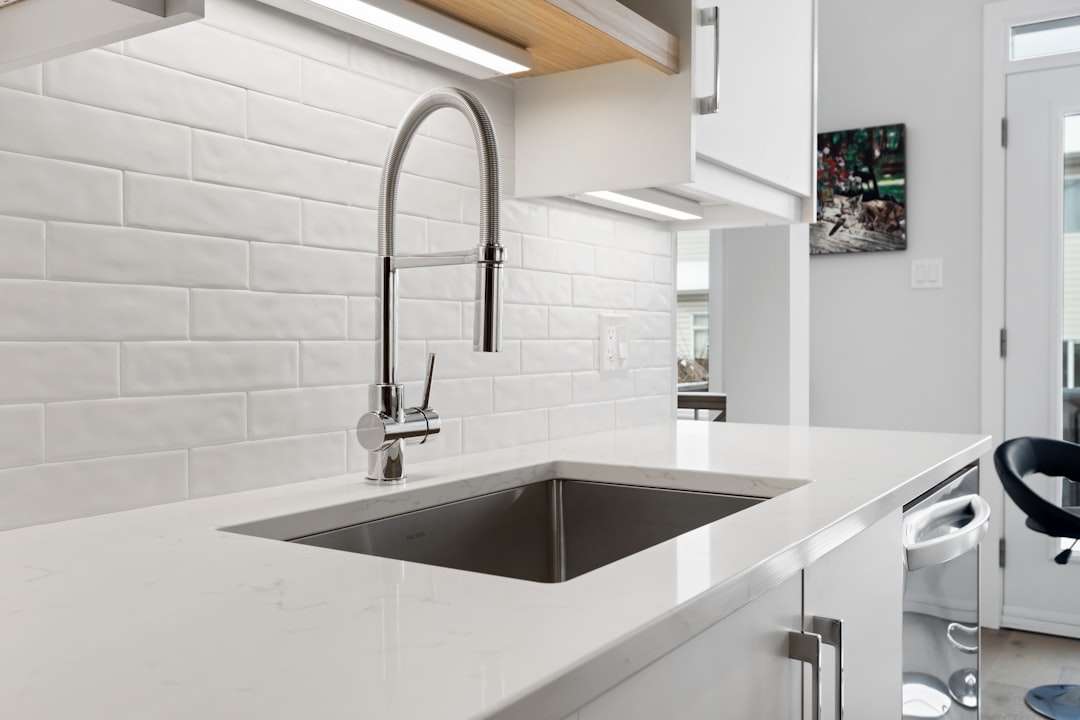
Tips for Keeping Your Sink Area Clean and Organized
The sink is the busiest real estate in your kitchen. It’s where dishes, food prep, and cleanup converge—and when it gets cluttered, the whole kitchen feels out of order. A clean, organized sink area improves hygiene, speed of cleanup, and the look of your kitchen.
This guide gives practical, trusted steps you can implement today: smart storage, efficient drying, better tools, and simple daily habits that prevent buildup and chaos.
Create purposeful zones around the sink
Start by defining small task zones: washing, rinsing/draining, drying, and supplies. Keep frequently used items within easy reach and store seasonal or seldom-used items away from the sink. For the space beneath, invest in adjustable shelving or stackable solutions so cleaners, trash bags, and spare sponges don’t crowd the cabinet floor—consider an option like Under Sink Organizers to make the most of that awkward vertical space.
Choose a compact, functional drying system
A proper drying setup prevents water from pooling on counters and keeps clean dishes neat. If counter space is limited, choose a low-profile dish tray or an over-the-sink drying rack that elevates air circulation. For larger loads, a sturdy, angled rack speeds drying and channels water into the sink so you don’t need a drip mat. Browse options to match your layout, like Dish Drying Racks.
Standardize soap and dispensing
Loose bottles create clutter and attract drips. A refillable pump for dish soap and a dedicated hand soap dispenser keep bottles uniform and easy to refill. Use a small waterproof tray to catch occasional drips and designate one dispenser for dish soap to reduce countertop mess. A simple swap to a neat unit—such as a well-designed Dish Soap Dispensers—instantly tidies the sink perimeter.
Keep the right cleaning tools accessible
One scrubber for everything is inefficient. Keep a set of purpose-made tools close to the sink: a stiff brush for pots, a soft brush for nonstick surfaces, and a small bottle brush for narrow containers. Storing brushes upright in a ventilated holder speeds drying and prevents musty odors. If you don’t already have a dedicated set, check compact options like Kitchen Cleaning Brushes to cover multiple tasks without clutter.
Manage and rotate sponges and cloths
Sponges are breeding grounds for bacteria if left damp. Use multiple sponges and microfiber towels on rotation so each item can dry fully between uses. Store sponges in a caddy that drains into the sink or on a soap tray that keeps them elevated. Replace or sanitize sponges weekly and keep backup sponges handy in a drawer. For easy restocking, consider the selection of Dish Sponges.
Prevent clogs with strainers and simple habits
Stop food and debris before they enter the drain. Use a well-fitting sink strainer in each basin and empty it into the trash after every meal prep. Avoid sending grease down the drain—wipe pans with a paper towel before rinsing or collect grease in a container. A reliable, easy-to-clean model can save time and plumbing headaches; search for suitable Sink Strainers.
Maintain the countertop and faucet
Wipe the countertop and faucet daily with a microfiber cloth to remove water spots, soap residue, and food particles. Microfiber dries surfaces quickly and traps grease without streaking. Keep one cloth dedicated to the sink area to avoid cross-contamination with other surfaces. If you prefer a specific texture or size, check options under microfibers and choose what makes daily maintenance easiest.
Use vertical and hidden storage wisely
Wall-mounted holders, magnetic racks, and inside-cabinet hooks free up counter space by bringing tools up and out of the way. Hang dish brushes and small strainers; stick a slim caddy to the inside of a cabinet door for cleaning sprays and trash bags. Under-shelf baskets or tension rods can double storage capacity along the underside of upper cabinets.
Deep-clean routine: weekly and monthly tasks
Weekly: clean the drain area, empty and sanitize sponge caddies, polish the faucet, and wipe seals and edges where grime builds. Monthly: remove and soak sink strainers, flush the garbage disposal with ice and citrus, descale faucet aerators, and declutter under-sink storage. A short scheduled routine prevents heavy-duty scrubbing later.
Small checklist
- Designate washing, rinsing, and drying zones.
- Install an over-the-sink or compact drying rack.
- Use a refillable dish soap dispenser on a drip tray.
- Keep multiple sponges and microfiber towels on rotation.
- Use and empty sink strainers after each meal.
- Wipe sink and faucet daily; deep clean weekly.
- Organize under-sink with adjustable shelving.
FAQ
Q: How often should I replace my sponge?
A: Replace or sanitize sponges weekly if used daily. Boil, microwave (wet), or run sponges through the dishwasher to sanitize between replacements.
Q: What’s the best way to dry a sponge or brush?
A: Store sponges and brushes upright in a ventilated caddy or on a draining tray so water runs away and air can circulate; avoid closed containers that trap moisture.
Q: Can I put grease down the sink if I run hot water?
A: No. Hot water can temporarily move grease but it will cool and solidify in pipes. Wipe excess grease into a container or paper towel and dispose of it in the trash.
Q: How do I stop water spots around the faucet?
A: Wipe the faucet after use with a microfiber cloth and occasionally polish with a mild cleaner to remove mineral buildup. Drying prevents hard-water staining.
Q: Are over-the-sink drying racks sanitary?
A: Yes—if they allow water to drain directly into the sink and are cleaned periodically. Remove food particles and wipe them down weekly to prevent odors and buildup.
Q: What’s the simplest upgrade for an instant tidy look?
A: Swap mismatched soap bottles for a refillable dispenser and add a draining caddy for brushes and sponges. Those small changes make the sink area look intentional and clean.
Conclusion
Keeping the sink area clean and organized is a mix of smart storage, the right tools, and short daily habits. Implement zone planning, invest in a few well-designed organizers like under-sink shelving, drying racks, and tidy dispensers, and follow a brief weekly maintenance routine. Small consistent actions prevent mess, save time, and keep your kitchen feeling fresh.