
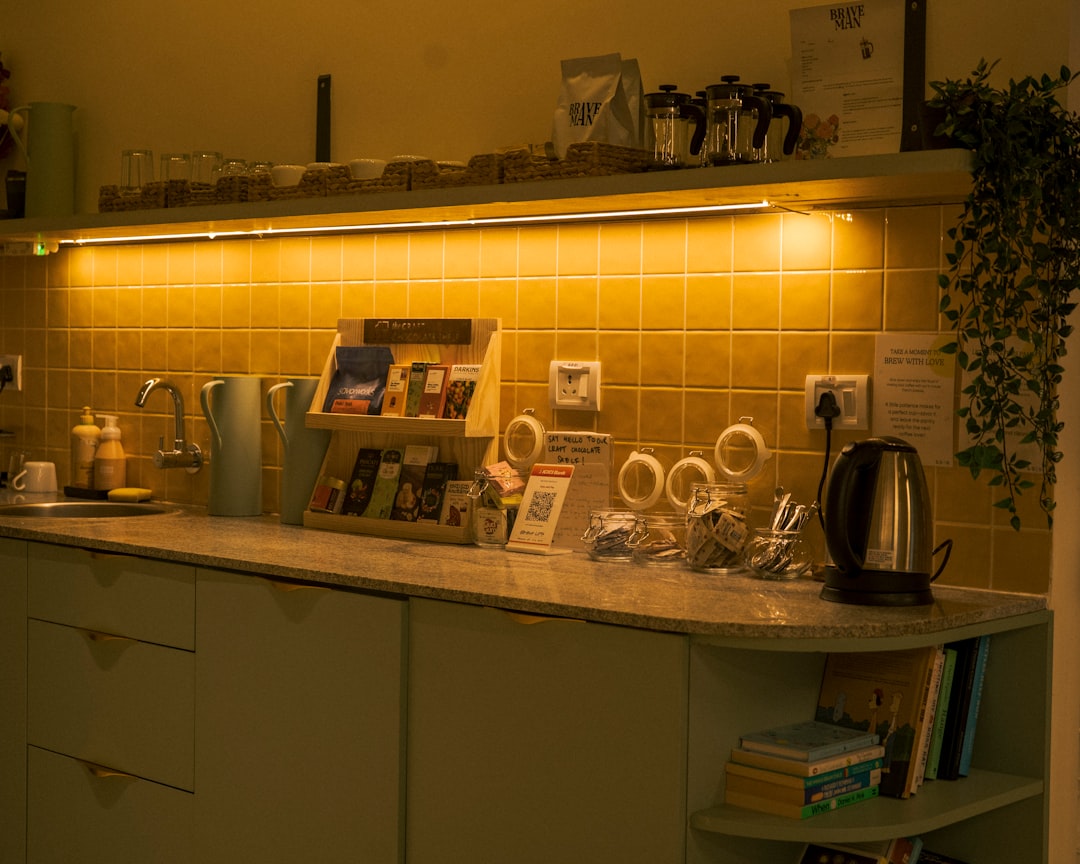
Coffee and Tea Station Ideas for Your Kitchen
Creating a dedicated coffee and tea station turns morning routines into reliable rituals. With a little planning you can save countertop space, speed up preparation, and keep everything organized and clean.
This guide gives practical station layouts, equipment recommendations, storage solutions, and cleaning tips so your station is functional and inviting — whether you have a small apartment counter or a generous kitchen island.
1. Start with a simple plan
Decide what you drink most and how much space you can dedicate. A two-foot corner can host a basic setup; a full cabinet or a rolling cart allows a multi-appliance bar. Sketch the workflow: storage → prep → brew → pour → cleanup. Keep frequently used tools within arm’s reach and group similar items together to reduce steps.
2. Essential appliances for a versatile station
Choose one reliable automatic brewer for daily use and supplement with manual options if you enjoy variety. For everyday convenience, compact models with programmable timers or thermal carafes are practical. Browse the best mainstream options under the site’s coffee category to match capacity and features to your household’s needs: Coffee Makers.
3. Espresso and specialty drinks setup
If espresso-based drinks are your preference, prioritize a machine that fits your skill level and counter space. Some home machines provide automatic dosing and a built-in steam wand, while prosumer units offer more control. Consider the water-reservoir size, pressure rating, and footprint before committing: Espresso Machines.
4. Grind quality and consistency
Grinding just before brewing makes a major difference in flavor. Even for drip coffee or press, a consistent grind size improves extraction. Choose a dedicated burr grinder if you can — adjustable settings let you switch quickly between methods. Good grinders are an investment that elevates the whole station: Coffee Grinders.
5. Tea-first options and hot-water solutions
For tea drinkers, a fast, reliable kettle is key. Electric kettles with wide mouths for easy cleaning and accurate boil control make steeping simpler and safer. If you use loose-leaf tea, pair the kettle with a fine infuser to keep cups debris-free: Tea Kettles.
6. Manual brew methods and a solid French press
Manual methods — pour-over, AeroPress, and French press — are compact and excellent for flavor exploration. A durable, well-insulated press performs better and is easier to clean than cheap glass models. If you want a dependable press that will last and keep grounds contained, check quality stainless options: French Press Coffee Makers.
7. Milk, foam, and latte finishes
Small battery or electric milk frothers let you make lattes without a full steam wand. They store easily in a drawer and are quick to use for single cups. Look for frothers with detachable whisks and simple cleaning instructions to reduce maintenance: Milk Frothers.
8. Organization and storage strategies
Keep supplies tidy and visible. Use clear canisters for beans, tea tins for leaf blends, and labeled jars for sugar and syrups. A small tray or caddy contains daily items (spoons, filters, stirrers) and protects the countertop from spills. If space is limited, vertical storage — stacked shelves or wall-mounted racks — frees surface area and keeps your station accessible.
9. Cleaning and maintenance habits
Daily wipe-downs and weekly deep cleaning extend appliance life and preserve flavor. Empty and rinse the carafe, wipe the drip tray, backflush or descale machines per manufacturer intervals, and thoroughly clean frothing wands and kettles. Keep a small sink-side caddy for brushes and sponges so cleaning tools are handy.
Checklist: Setup essentials
- Primary brewer (automatic machine or pour-over)
- Grinder or pre-ground beans for convenience
- Electric kettle or hot-water source
- Milk frother or steam wand
- Filters, spoons, measuring scoop, and scales
- Storage containers for beans and loose leaf tea
- Tray or caddy to corral daily items
- Cleaning tools: brush, sponge, microfiber towel
FAQ
- How much counter space do I need? You can create a functional station in 2–3 square feet for a single appliance; 6–8 square feet is ideal for multiple devices and prep space.
- What’s better for small kitchens: cart or wall shelf? A compact rolling cart adds mobility and storage; wall shelves save floor space and keep the area visually open. Choose based on whether you need portability.
- Can I mix coffee and tea on the same station? Yes. Keep tea tools in a separate tray or tier to avoid flavor cross-contamination and store beans in airtight containers to preserve aroma.
- How often should I descale appliances? Descale every 1–3 months depending on water hardness and frequency of use; more often if your water is hard.
- Is an electric kettle necessary for brewing coffee? Not strictly — but kettles with temperature control speed up manual brewing and improve consistency for both tea and pour-over coffee.
Conclusion
Design your station around your daily workflow: select one primary brewer, add supporting tools for variety, and use storage solutions to keep surfaces clear. Small investments in a grinder, reliable kettle, and simple organizers yield better drinks and a smoother routine. Start compact, refine over time, and prioritize tools that make brewing easy and cleanup minimal.